
African Elephants
The largest animals on earth are African elephants. African elephants are found in areas with access to water, as they require a lot of water to sustain their large bodies. They are also found in areas with vegetation that can provide the large amounts of food they require to survive.
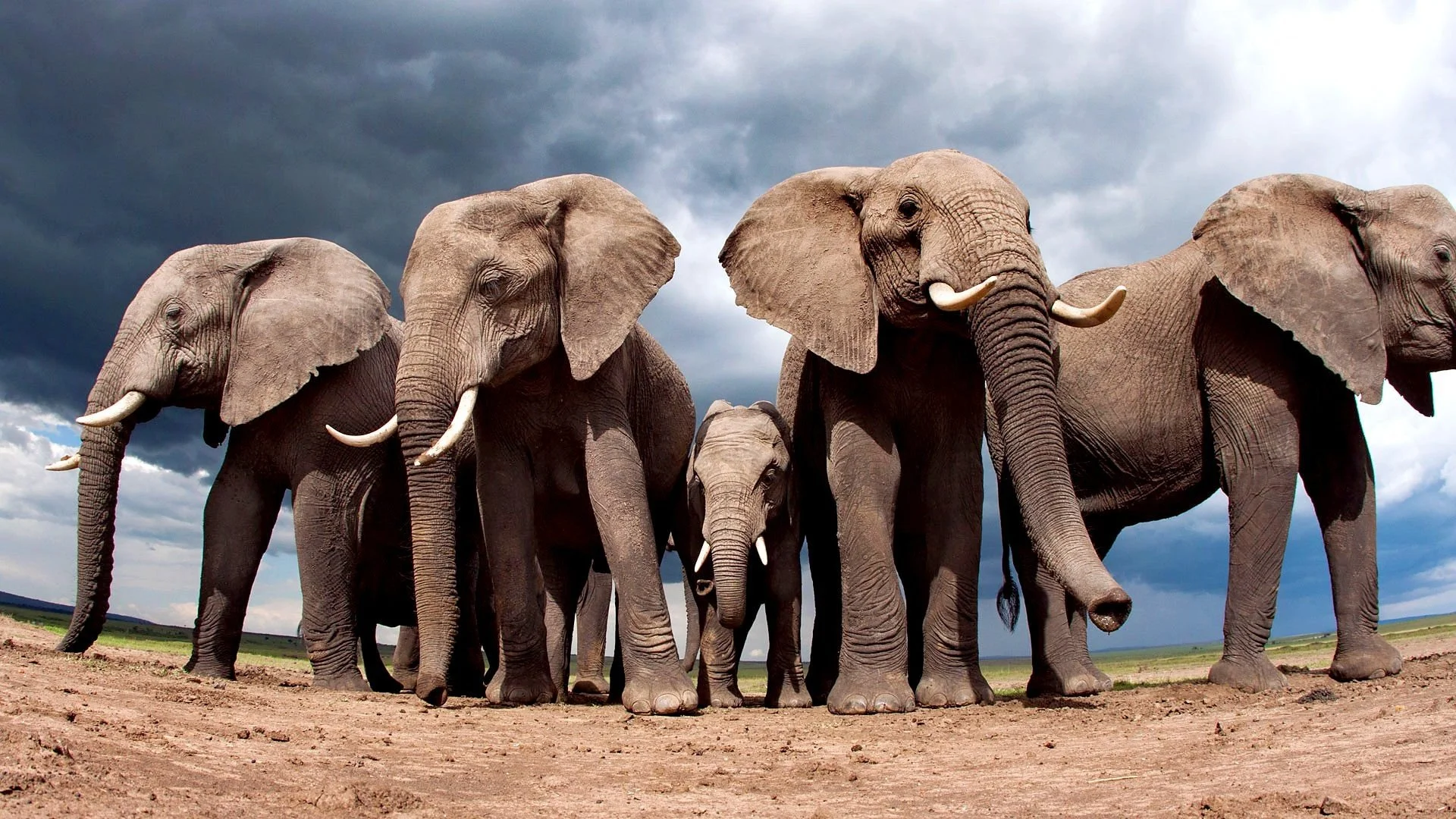
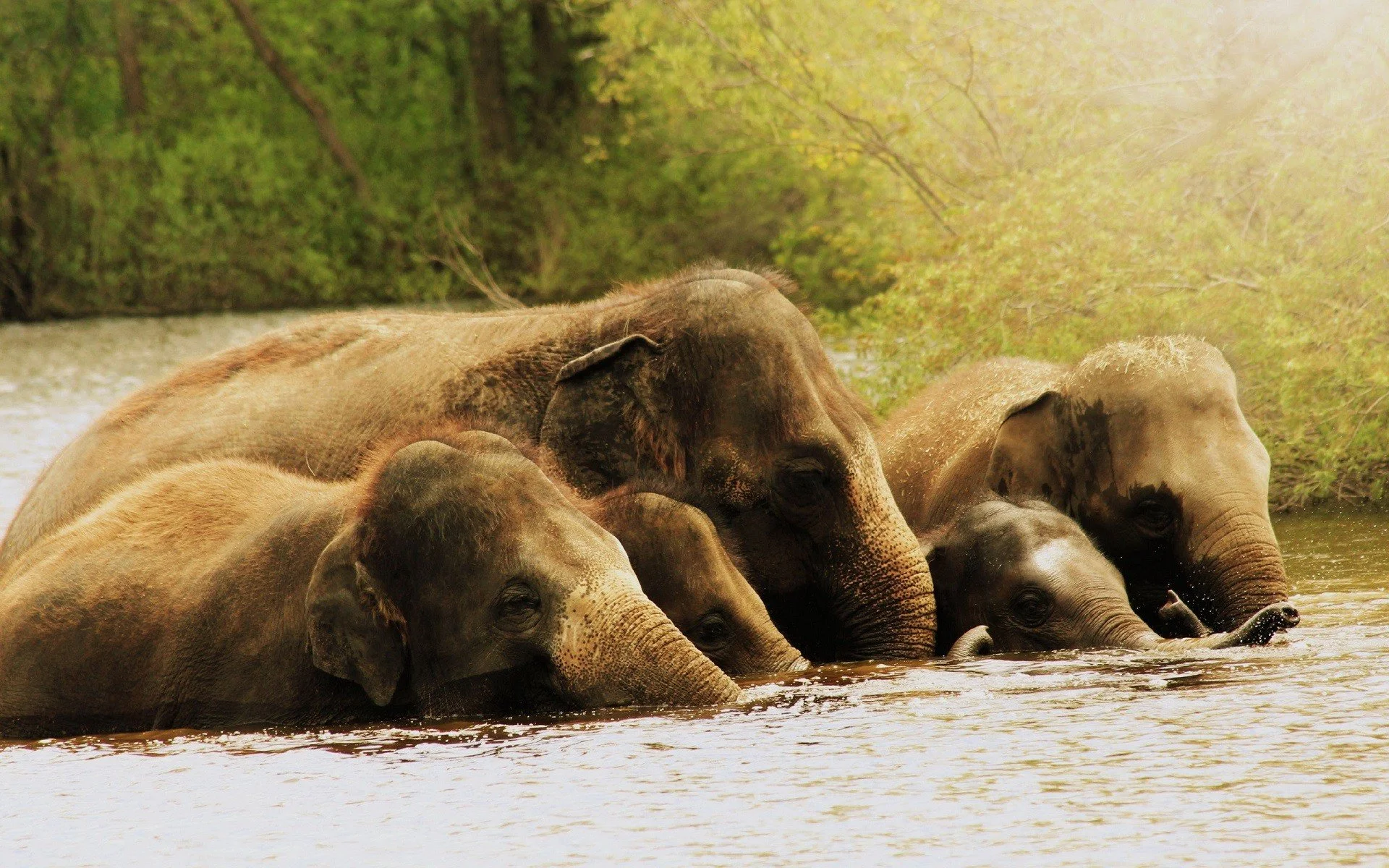
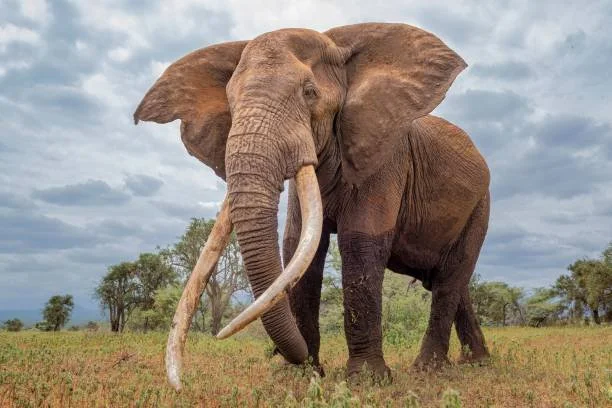
The African elephant can be identified by its long front legs and enormous, heat-radiating ears. Aside from its majestic, flexible trunk, other striking characteristics include its ever-expanding tusks, which are present in both males and females; the tough, wrinkled skin, which aids in the preservation of moisture in arid African circumstances; and its wrinkled skin.
Elephant bulls can reach heights of 4 meters and weigh up to 7 tons, while their female counterparts can only reach the weights of 3.5 – 4 tons.
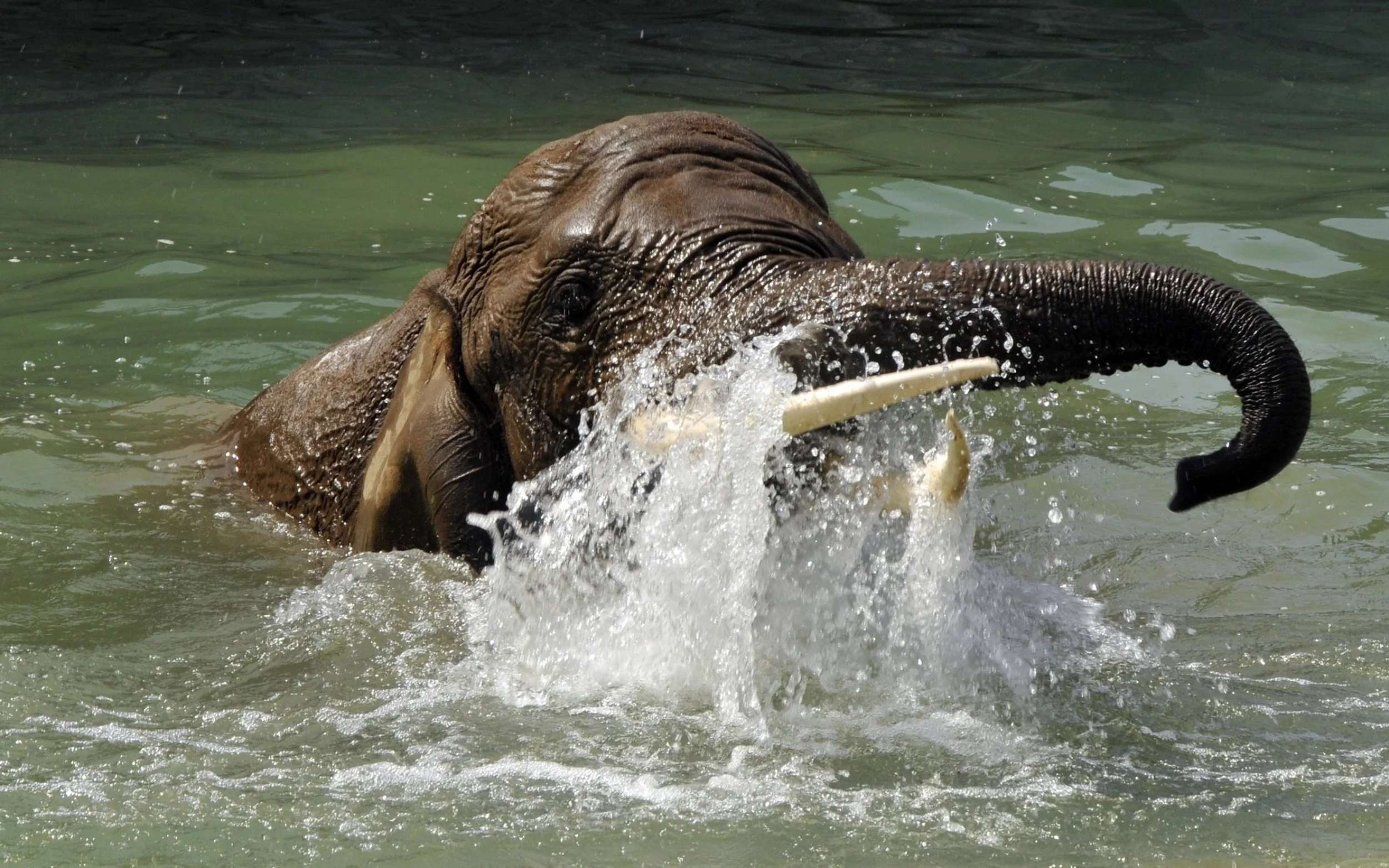
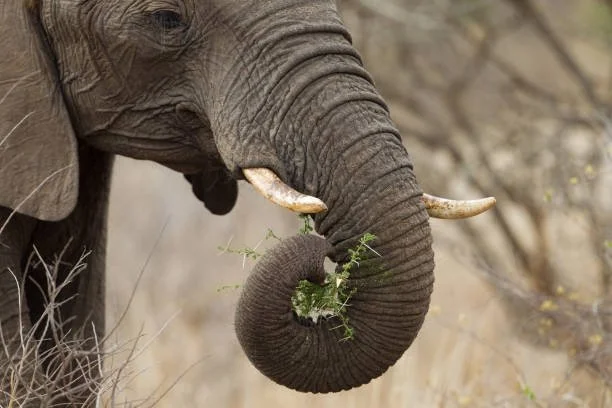
The African elephant’s trunk is quite significant. The elephant’s trunk is a fused extension of its top lip and snout. At the end of the trunk are opposable “fingers” that can be used to grasp small items. The number of these fingers is one way to distinguish between the various types of elephants; Asian and African elephants both have one finger. Due to the strength and dexterity of these fingers, the elephant can pick up a tiny peanut, crack open the shell, and then consume the whole nut.
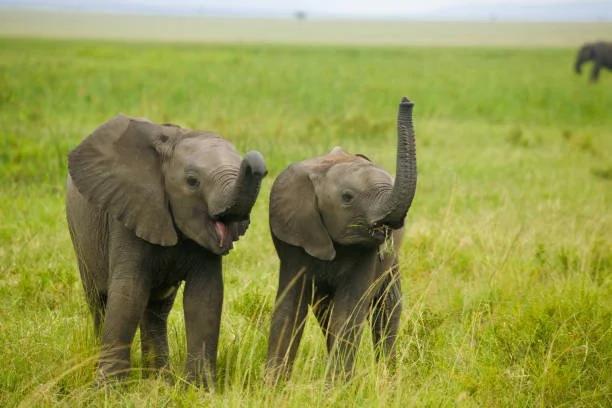
African elephants are social animals. The African elephant is very loyal to its family members and will go to great lengths to protect the interest of the herd. Calves are especially attached to their mothers and make sure they are never far away from her.
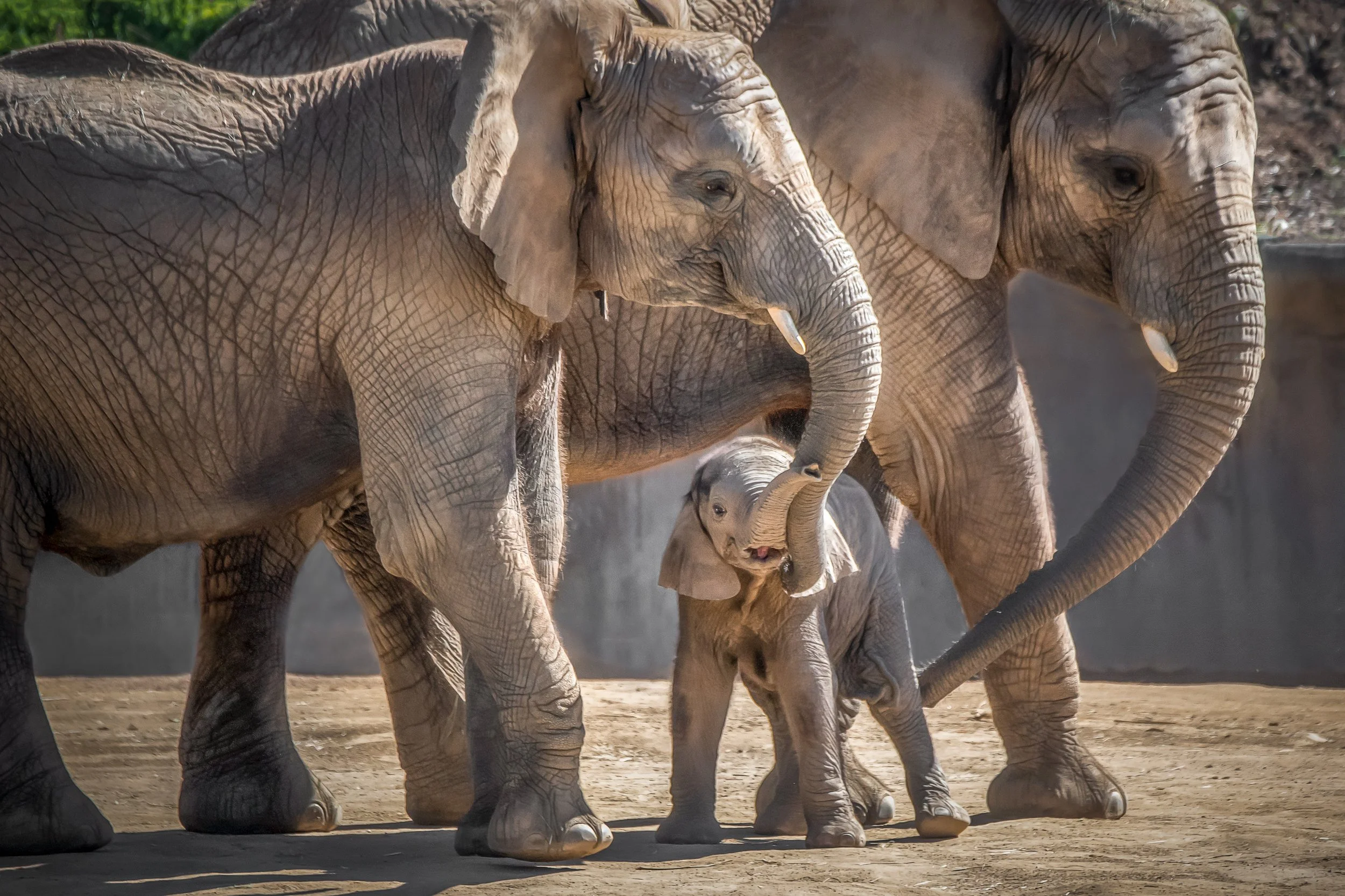
Once an African elephant mates, they very rarely stray from their partners, although this is possible. Elephants are good at developing strong bonds with their family members. They can establish lifelong relationships and deeply mourn the loss of loved ones and calves that do not survive their first few months. They also visit the place where family members or newborns died and stay for quite some time.
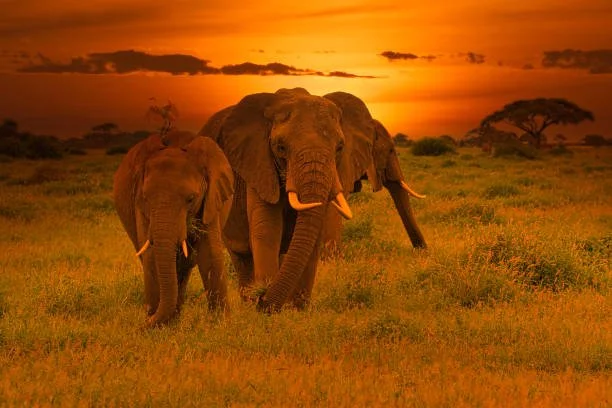
African female elephants will remain in a herd until the day they die, whereas the males leave the herd when they reach maturity (from the age of 10 to 19 years old). Bull elephants, who are between the ages of 30 and 35 years old, will leave the herd to live a more solitary life.
Elephants can live up to 70 years, and females are typically reproductive between the ages of 25 and 45. Males must be 20 years old in order to compete successfully for mating.
They are found in several African countries, including Kenya, Tanzania, South Africa, Botswana, Zimbabwe, and Namibia. However, due to habitat loss and poaching, the African elephant population has declined significantly in recent years.
Elephants in Africa are still being poached in big numbers even though the worldwide trade in ivory has been outlawed. Although their meat and skin are frequently traded, their ivory tusks are the most in demand. Elephants are killed in large numbers every year for their tusks.
Orphaned elephants need a new herd and a new home.
At the Lusaka Elephant Nursery in Zambia, they rescue and rehabilitate orphaned elephants.
Problem
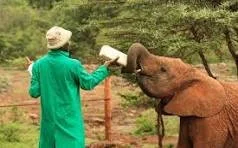
When poachers kill female elephants, defenseless young calves can be left behind. Nursing calves, still dependent on their mothers, cannot survive without intervention.
Left to fend for themselves, these orphans struggle without the milk they need to survive, or the opportunity to learn critical social skills from their mothers.
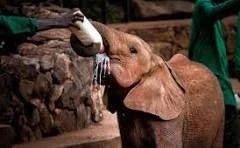
Bottle feeding milk to baby elephants is a daily task of the teams.

Solution
Working with the GRI-Lusaka Elephant Nursery Project (LEN), a non-governmental organization based in Zambia, they helped develop and operate an elephant nursery.
This is the first elephant orphanage in Southern Africa and the second on the continent. Its mission is to return rescued elephants back to the wild. The teams take orphaned elephants out for regular walks, put them on feeding schedules and even watch over them while they sleep.
Once the elephants are old enough to be weaned from milk, they transfer them to a special release facility in Kafue National Park.
With a thousand other wild elephants near the facility, they help the orphans integrate into a wild herd, gaining the herd’s protection and learning the social skills they will need to thrive.
The IFAW (International Fund for Animal Welfare) helps animals and people thrive together.
Animals worldwide face threats like poaching, trafficking, ocean hazards, disasters, and habitat loss. Iconic species, critical to our planet's health, are endangered.
For over 50 years, IFAW has rescued, rehabilitated, and released animals while restoring their habitats. As a global non-profit, International Fund for Animal Welfare has earned a 4/4 Star rating on Charity Navigator. Help the IFAW continue its life-saving work. DONATE NOW.
African Bush Camps was created with the purpose of sharing Africa’s authentic beauty while conserving its wildlife and empowering local communities. With 17 unique safari Experiences across Botswana, Zambia, and Zimbabwe, we promote and influence African safari travel on a global scale – all while working with a strong focus on conservation, community, and sustainability.
Our home is in the heart of Africa, namely Botswana, Zambia, and Zimbabwe. With 17 Experiences across three countries, each African Bush Camps destination presents a unique safari of luxury, wonder, and discovery.
Our Experiences are located within private concessions, UNESCO World Heritage Sites, and globally revered national parks. Is it the winding waterways of Botswana’s Okavango Delta that draw you in, the thunderous beauty of Zambia’s Victoria Falls, or the wildlife-rich plains of Zimbabwe’s Hwange National Park?
Journey with us to experience authentic Africa and find out. Our Purpose is to Share and Conserve Africa, Together. contact@africanbushcamps.com +27 21 701 0270